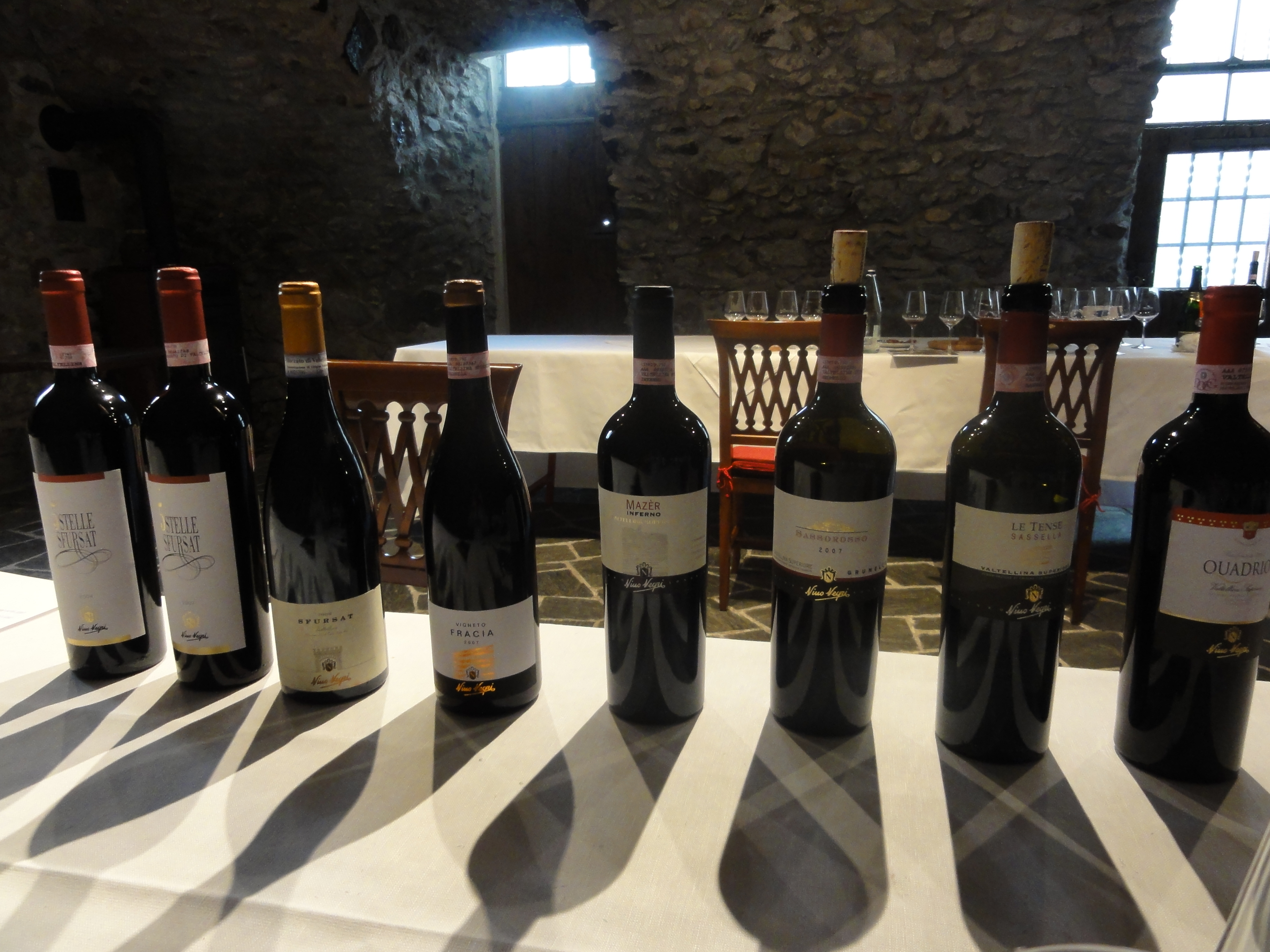
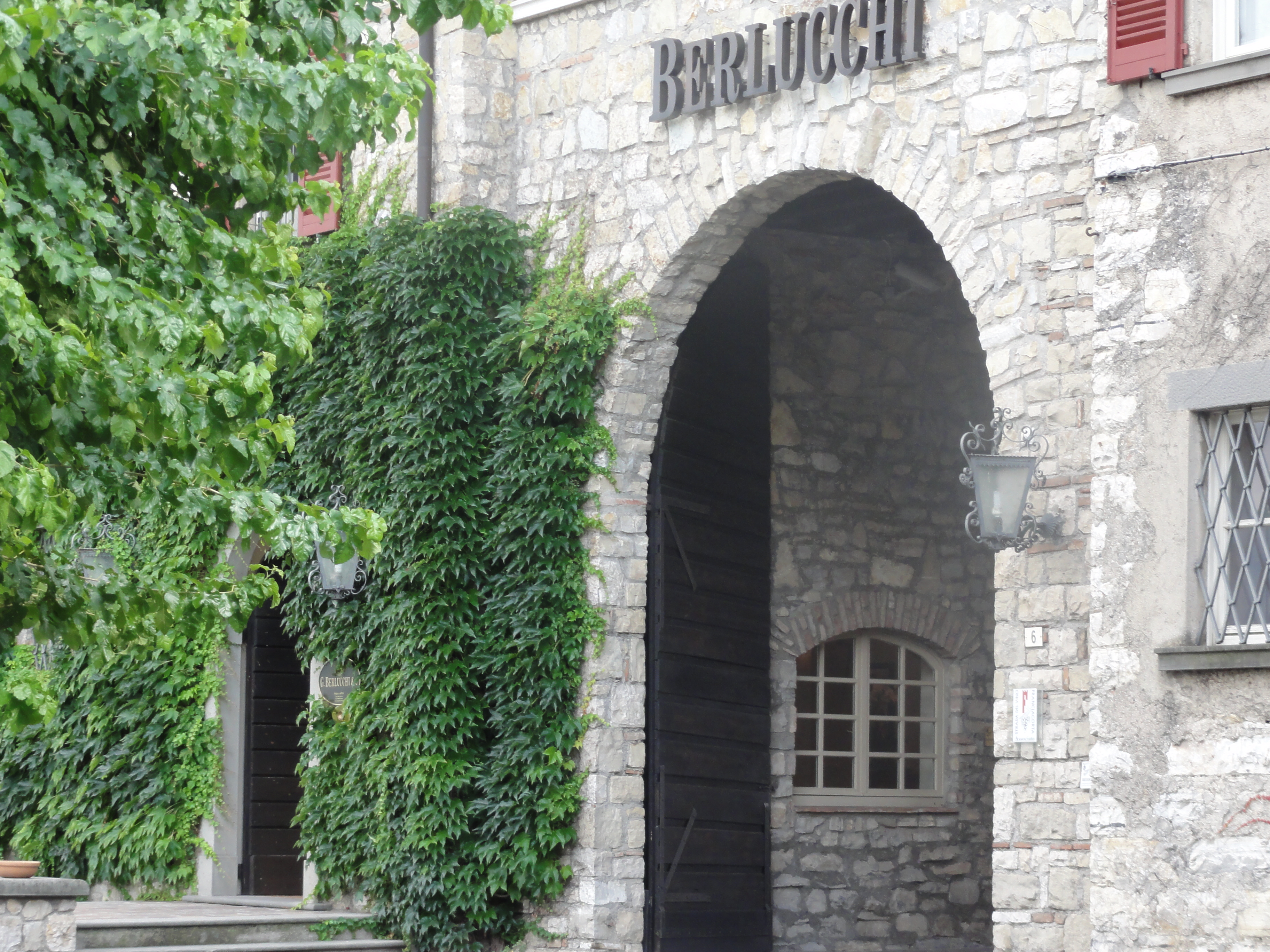
During a visit with the Vinitaly International Academy at Berlucchi in Franciacorta, we were not only treated to a wonderful tour and tasting, but also an incredibly moving speech from Cristina Ziliani. She spoke about the origins of the winery and how the meeting and friendship between Guido Berlucchi and her father, Franco Ziliani, had led to the creation of what the unique Franciacorta estate has become today. She described the long journey and the struggles involved, but, above all, she also touched on the risks facing the viticulture of tomorrow. This was followed by an extensive discussion on prospective viticultural research and how they are addressing future challenges in winemaking by adapting with the times. It was captivating enough for me to want to do some further research on it.
Introduction
Prospective viticultural research is a branch of science focused on developing new techniques and insights to make viticulture future-proof. By employing methods such as genetic analysis, climate modeling, and advanced soil studies, this research not only helps to improve wine production quality and consistency, but also to anticipate and address future challenges. This offers wine producers unique opportunities to manage their vineyards sustainably and take full advantage of modern technology.
What is prospective viticultural research?
Prospective viticultural research involves exploring future developments and challenges in the wine industry, such as climate change, soil degradation, and the rising demand for sustainable wine production. With a multidisciplinary approach where technology, biology, and data analysis converge, researchers and wine producers can generate new knowledge and solutions. International collaboration plays a key role: by learning from best practices in other regions and through knowledge-sharing between research institutions and wineries, innovations are rapidly applied in the field.
Research methods: the key to innovation
A wide array of methods is used in prospective viticultural research, including:
1. Genetic analysis and breeding techniques
Researchers analyze the DNA of grape varieties to identify traits that enhance resistance to diseases and climate changes. Through breeding programs and genetic selection, new grape varieties are developed that are specifically suited for extreme weather conditions, such as drought or intense rainfall.
2. Climate modeling and data analysis
By using climate models and historical data, researchers make forecasts about climate change and its impact on vineyards. This provides winegrowers with timely insights into the best planting and harvest times, helping them protect their vineyards against changing weather patterns. This technology thus plays a crucial role in risk management.
3. Soil research and management
Through soil analysis, researchers determine the specific properties of vineyard soil, including mineral balance and pH. This enables precision fertilization and targeted irrigation, contributing to efficient soil management and long-term soil health.
4. Remote sensing, drones and digitalization
Remote sensing technology, including drones and satellite imagery, as well as IoT sensors and artificial intelligence, allow winemakers to monitor vineyard health remotely. This technology enables early detection of diseases and nutrient deficiencies, prompting timely and targeted interventions. Digitalization and automation increase efficiency and ensure consistently higher yields.
Benefits for wine producers
Prospective viticultural research offers numerous advantages for wine producers, including:
– Improved resistance to climate change
Climate change leads to extreme weather conditions that impact grape yield and quality. By developing climate-resistant grape varieties, winemakers can better adapt to these changes, safeguarding yield and quality.
– Sustainable and efficient vineyard management
Soil research and precision agriculture make targeted fertilization and irrigation possible, which is both cost-effective and environmentally friendly. This aligns with the demand for sustainable production and also helps wine producers meet certifications for biodynamic and organic wine production.
– Enhanced biodiversity and ecosystem health
By applying innovative and sustainable practices, prospective viticultural research contributes to preserving and enhancing biodiversity around vineyards. Native flora and fauna, such as insects and indigenous plants, are protected, creating a healthier vineyard ecosystem with natural pest protection.
– Increased wine quality and consistency
Thanks to advanced analysis methods, optimal growing conditions and harvest times can be better determined, leading to a consistently high wine quality. In an era where consumers increasingly value quality and consistency, this is a significant competitive advantage.
– Better cost efficiency and risk management
The use of drones, sensors, and data analysis helps producers to intervene only where necessary, saving time and money. By being prepared for risks such as disease outbreaks or climate fluctuations, producers can achieve a more reliable and cost-effective harvest.
What does this mean for the future of viticulture?
Prospective viticultural research enables wine producers to better prepare for uncertain future scenarios, from climate changes to shifting consumer demands. Scenario planning provides insights into the future of viticulture and allows producers to adjust their strategies now, for instance by using sustainable technologies and alternative grape varieties. Regulatory bodies also play a role in supporting these innovations by offering subsidies and support for sustainable research, making it easier for winemakers to adopt these innovative methods. In this way, the sector becomes future-proof.
Shifting consumer trends and market position
Consumers are becoming more selective about the origin and production of their wines, increasingly looking for organic and sustainably produced options. Prospective viticultural research allows the sector to meet these expectations, positioning itself as a modern, responsible market leader.
Education and awareness within the industry
Future-proof viticulture requires that all links in the production chain are up to date on the latest developments. Education on sustainable and innovative practices, through workshops and training, can help producers fully leverage the techniques and benefits of prospective viticultural research. This strengthens knowledge and skills across the industry, benefiting the entire wine sector.
Conclusion
Advances in prospective viticultural research offer winegrowers countless opportunities to make their production sustainable, minimize risks, and meet the demand for quality and sustainability. By investing in techniques such as genetic adaptation, climate modeling, and digitalization, producers can better manage their vineyards and adapt to changes. The future of viticulture promises innovation and sustainability—and prospective viticultural research forms the solid foundation upon which this vision is built.

Filed under: oenologie | Tagged: Berlucchi, Franciacorta, Italian wine ambassador, Vinitaly International Academy, viticultural research, wijn, wijnkennis | Leave a comment »



























 Bottle Case